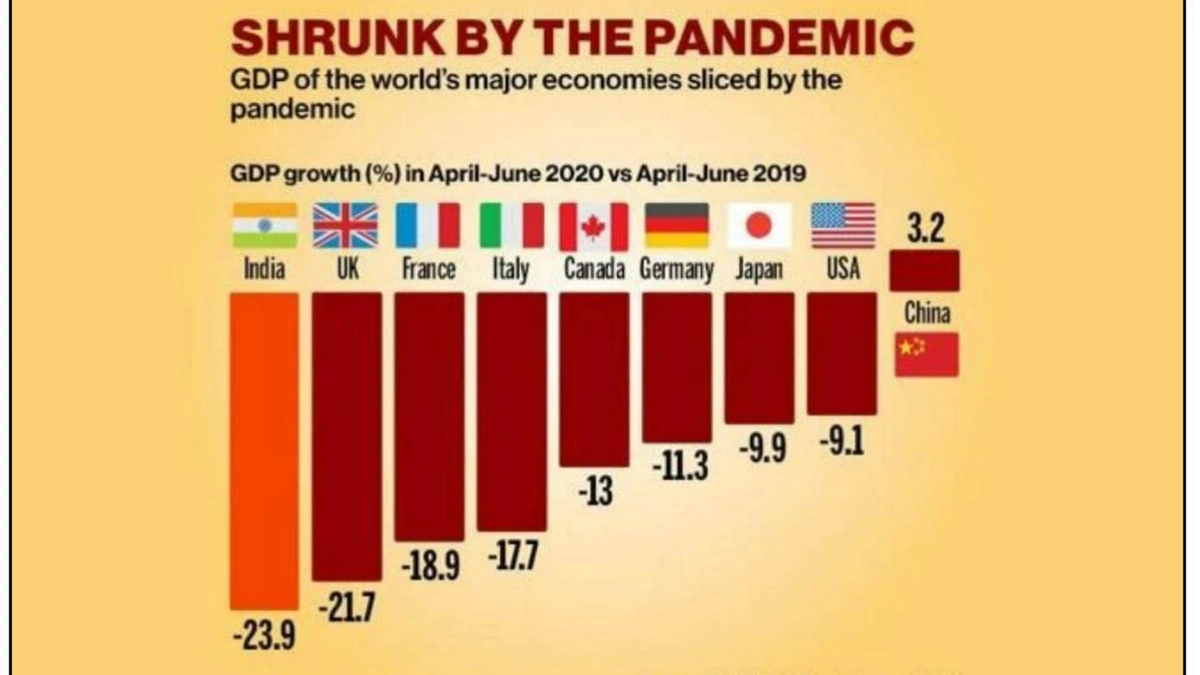
Alright, let’s talk about something that affects us all, whether we realize it or not: India’s GDP . S&P Global, a big name in financial ratings, just dropped a forecast that has everyone from economists to your neighborhood chaiwala taking notice. They’re projecting a 6.7% growth for India’s gross domestic product next fiscal year. Now, you might be thinking, “Okay, that’s… good?” But here’s the thing – it’s not just ‘good.’ It’s a sign, a signal, and potentially a game-changer. Let’s dive into why this projection matters, what it means for you, and what hidden factors are at play. After all, numbers are just numbers until you understand the story they’re telling.
Why a 6.7% GDP Growth Projection is a Big Deal
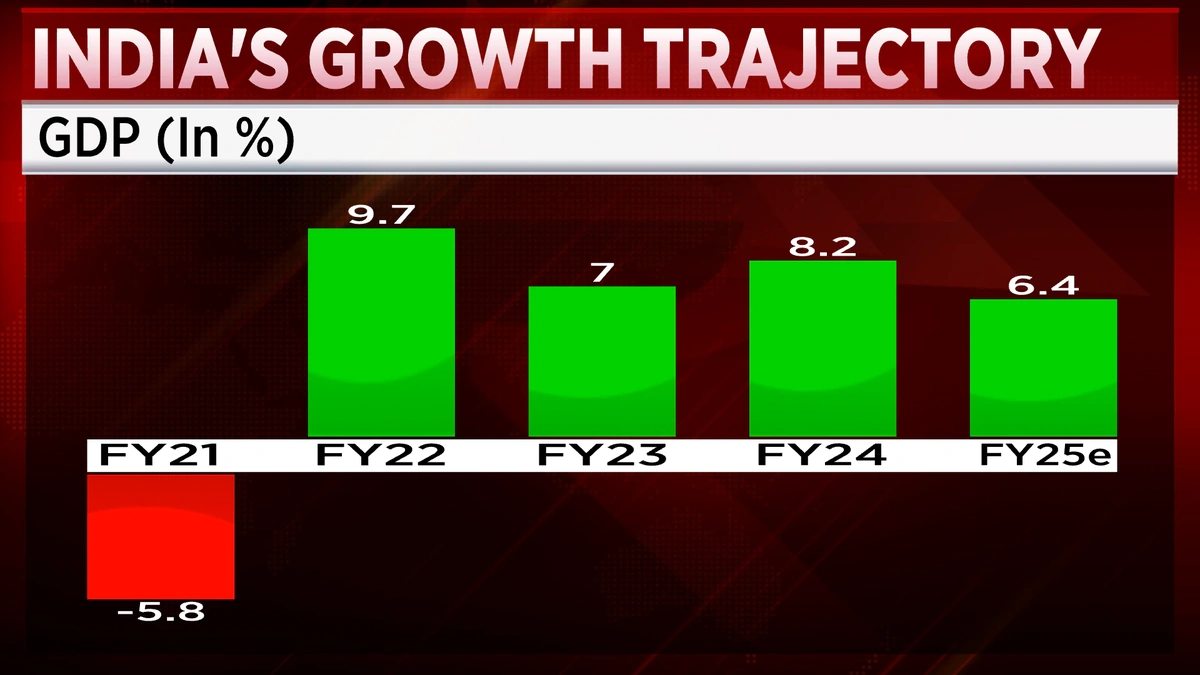
So, why all the fuss about a number? Well, a GDP growth rate of 6.7% isn’t just plucked out of thin air. It’s a reflection of how well the Indian economy is expected to perform. Think of it like this: if India were a company, its GDP growth would be its revenue growth. And a healthy growth rate means more jobs, more investments, and overall, a better standard of living (hopefully!). This projection by S&P Global is significant because it suggests that India is on a solid growth trajectory, even amidst global economic uncertainties. Consider that this forecast comes amidst a backdrop of global economic slowdown and geopolitical instability. India’s relative stability and growth potential make it an attractive destination for investment.
But, and this is a big ‘but,’ it’s crucial to understand the context. We’re not living in a vacuum. The global economy is a tangled web, and what happens in one corner of the world inevitably affects us here in India. Factors like inflation, interest rates, and global demand all play a role in shaping our economic destiny. And let’s be honest – the global economic climate is far from rosy right now. So, a 6.7% growth projection is a commendable feat, but it doesn’t mean we can sit back and relax.
The economic outlook also hinges on government policies. Prudent fiscal management, infrastructure development, and policies that promote investment are crucial for sustaining this growth momentum. Without the right policy environment, even the most optimistic projections can fall flat.
The Hidden Factors Driving India’s Growth
What fascinates me is the ‘why’ behind the numbers. What exactly is fueling this projected growth? It’s not just one thing, but a combination of factors working in tandem. For starters, India’s large and young population is a major advantage. A growing workforce means more consumers, more producers, and more overall economic activity. But this demographic dividend will only pay off if we can provide the right skills and opportunities to our youth. Investment in education and skill development is therefore essential.
Then there’s the rise of the digital economy. The increasing adoption of technology, the growth of e-commerce, and the proliferation of startups are all contributing to India’s economic dynamism. The digital revolution is not just transforming the way we live and work; it’s also creating new avenues for economic growth. What’s more, government initiatives like ‘Make in India’ are aimed at boosting domestic manufacturing and reducing reliance on imports. These initiatives are intended to create jobs, attract investment, and enhance India’s competitiveness in the global market. Let me rephrase that for clarity: it’s about making India a manufacturing powerhouse. And the success of these initiatives will be a key determinant of our future growth prospects.
Don’t forget about the agricultural sector. While often overlooked, agriculture remains a vital part of the Indian economy. Good monsoons, improved irrigation facilities, and government support for farmers can all contribute to higher agricultural output and rural prosperity. And when rural areas thrive, the entire economy benefits. And that’s also where the increase of domestic demand comes from.

What This Means for You, the Average Indian
Okay, so all these numbers and economic jargon – what does it actually mean for you, the person trying to make a living, raise a family, and maybe even save a little for the future? Well, if S&P Global’s projections hold true, it could mean a few things. More job opportunities, for one. Companies tend to hire more people when they’re confident about future growth. It could also mean higher wages, as businesses compete for talent in a growing economy. And potentially, it could lead to more investment in infrastructure and public services, making life a little easier for everyone. However, as India’s economy grows, it’s more important than ever to consider the challenges of sustainable development .
But let’s be realistic. Economic growth doesn’t automatically translate into prosperity for all. There are challenges to overcome. Inequality, for example. It’s no secret that the benefits of economic growth are not always shared equally. Ensuring that the fruits of progress reach all sections of society is a major challenge. And then there’s inflation. A growing economy can sometimes lead to rising prices, eroding the purchasing power of ordinary people. So, it’s crucial to keep inflation under control. And while individual sectors may see growth and investment, some companies struggle. Learn about Anil Ambani’s assets being seized .
The Road Ahead | Challenges and Opportunities
Looking ahead, India’s economic trajectory will depend on how we navigate a number of challenges. We need to address infrastructure gaps, improve the ease of doing business, and promote innovation and entrepreneurship. We also need to invest in education and healthcare, ensuring that all Indians have the opportunity to participate in and benefit from economic growth. Also, we have to prepare for changing climates and the effects on the emerging markets .
But the opportunities are immense. India has the potential to become a global economic powerhouse. We have a young and dynamic population, a growing middle class, and a vibrant entrepreneurial ecosystem. By harnessing these strengths and addressing our challenges, we can create a brighter future for all. And remember, economic growth is not just about numbers. It’s about improving people’s lives, creating opportunities, and building a more prosperous and equitable society. It’s about building a nation that we can all be proud of. What fascinates me is how economic forecasts play a role in shaping policy and investor confidence, influencing the course of our economic journey.
And finally, the projection of India’s economic growth can affect the global market. Investment in Indian infrastructure and technology could provide growth for businesses overseas.
FAQ Section
Frequently Asked Questions
What exactly is GDP, and why should I care?
GDP stands for Gross Domestic Product. It’s basically the total value of goods and services produced in a country. You should care because it’s a key indicator of economic health. Higher GDP growth can mean more jobs and better living standards.
How accurate are these GDP growth projections?
Projections are just that – projections. They’re based on current data and assumptions about the future. Unexpected events (like, say, a global pandemic) can throw things off. So, take them with a grain of salt.

What are the biggest risks to India’s growth outlook?
Global economic slowdown, rising inflation, and geopolitical instability are major risks. Domestically, infrastructure bottlenecks and policy uncertainties could also dampen growth. As per the guidelines mentioned in the information bulletin, if India cannot sustain its economic stability these issues could affect our growth.
How can I benefit from India’s economic growth?
Invest in your skills, look for job opportunities in growing sectors, and consider investing in the stock market or other assets. And most importantly, stay informed about economic trends and policy changes.
Where can I find reliable sources for Indian economic data?
The Reserve Bank of India (RBI), the National Statistical Office (NSO), and reputable financial publications are good sources. Wikipedia can also offer broad information about India’s economy .
What role do foreign investments play in India’s GDP?
Foreign investments (FDI) are crucial. They bring in capital, technology, and expertise, boosting productivity and growth. The government needs to create a welcoming environment for foreign investors. Similarly, consider these stocks in demand to make smart investments.
Disclaimer: ऊपर दिए गए विचार और सिफारिशें व्यक्तिगत विश्लेषकों या ब्रोकिंग कंपनियों की हैं, न कि "Finance Ghar" की। हम निवेशकों को सलाह देते हैं कि किसी भी निवेश निर्णय लेने से पहले प्रमाणित विशेषज्ञों से परामर्श करें। निवेश में जोखिम होता है और सही जानकारी के बिना निर्णय लेना हानिकारक हो सकता है।