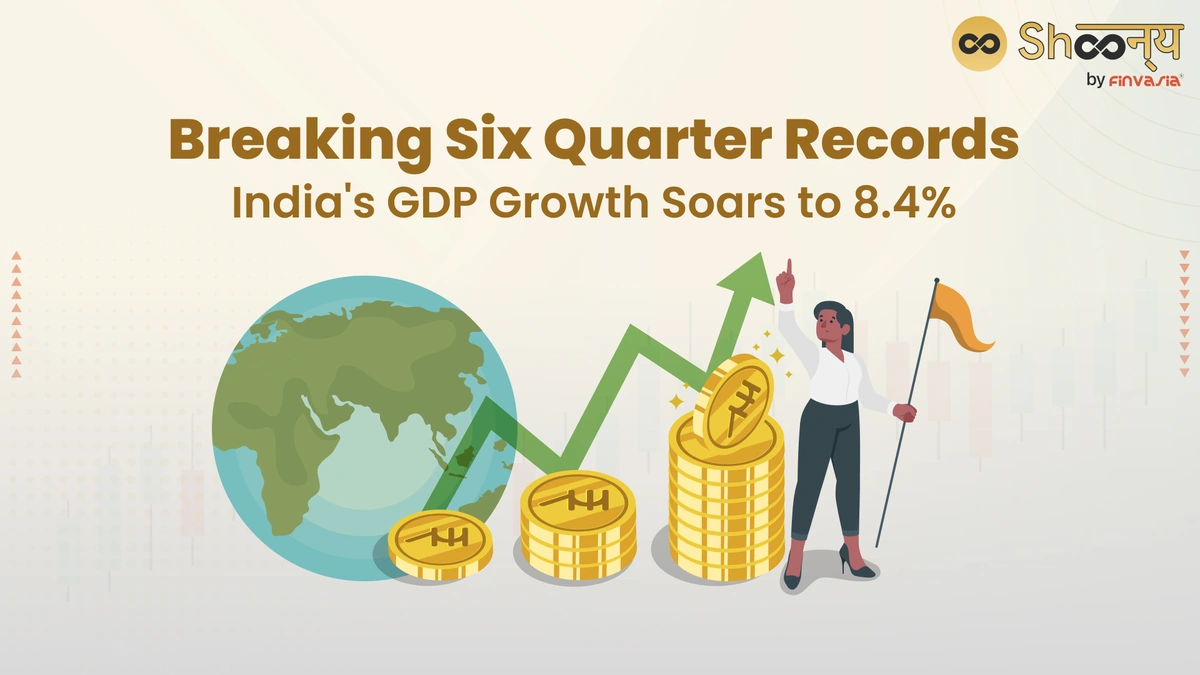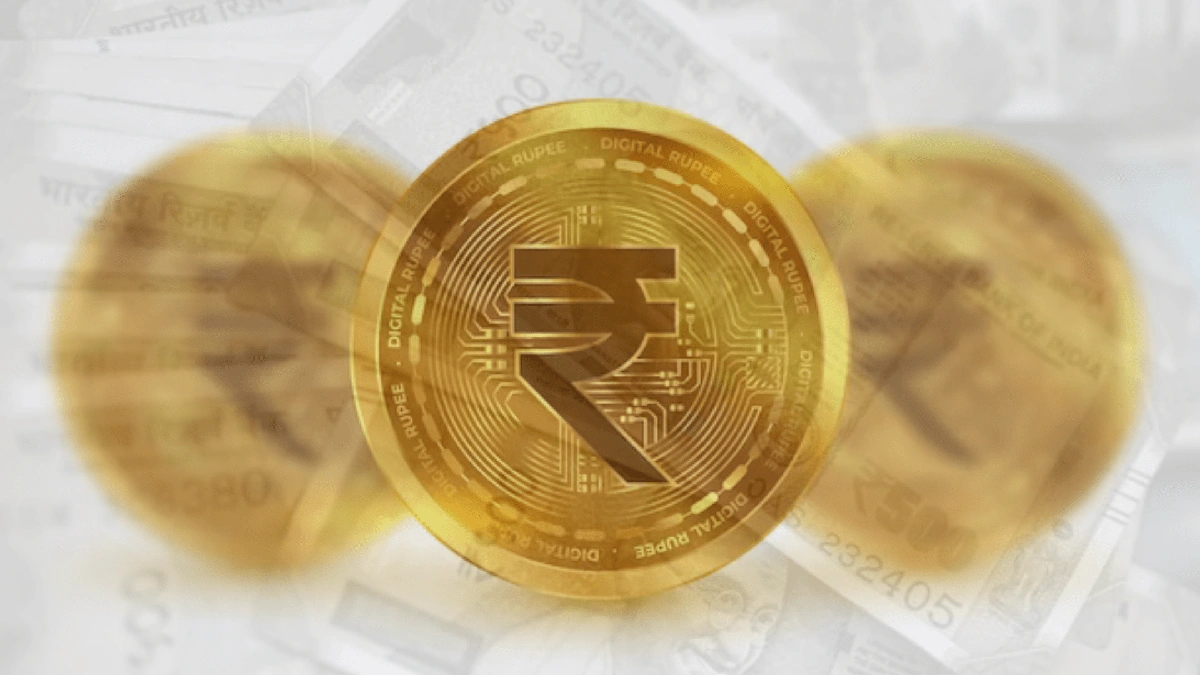
The Indian Rupee teetering near the 90 mark against the US Dollar! It’s not just a number; it’s a headline grabbing figure that sends ripples through the Indian economy and impacts everything from your travel plans to the price of your favorite imported gadgets. Let’s be honest, it’s a bit concerning, right? But before we descend into economic doom-scrolling, let’s break down why this is happening, what it means for you, and, most importantly, what could be on the horizon.
I initially thought this was just another day in the volatile world of currency exchange. But, when the Rupee is close to crossing a psychological level, it demands a closer look. Let’s dive in, shall we?
Decoding the Rupee’s Decline | The ‘Why’ Behind the Weakness
So, what’s causing this slide? It’s not one single factor but a confluence of global and domestic pressures. The most prominent culprit is the strong US Dollar. Here’s the thing: When the US economy looks robust (or even just less shaky than others), investors flock to the Dollar as a safe haven. This increased demand drives up the Dollar’s value, making other currencies, including the Rupee, look weaker in comparison. A common mistake I see people make is thinking of currency values in isolation; they always exist relative to something else, in this case, primarily the Dollar. Understanding exchange rate dynamics is essential.
But it’s not all about the Dollar’s strength. India’s own economic realities play a significant role. Factors like the trade deficit (we import more than we export) and foreign portfolio outflows (when foreign investors sell their Indian assets) put downward pressure on the Rupee. Think of it like this: If more people are trying to sell Rupees and buy Dollars, the Rupee’s value naturally decreases.
And then there are the global crude oil prices . India is a major oil importer, and rising oil prices inflate our import bill, widening the trade deficit and further weakening the Rupee. It’s a complex web of interconnected factors.
Forecasting the Future | Will the Rupee Rebound?
Predicting currency movements is notoriously difficult – even for seasoned economists. However, we can analyze the key catalysts that could influence the Rupee’s future trajectory. Much depends on the actions of the Reserve Bank of India (RBI). The RBI often intervenes in the foreign exchange market to stabilize the Rupee, primarily by selling Dollars from its reserves. But, the RBI has to walk a tightrope. Too much intervention can deplete its reserves, while too little intervention can lead to excessive volatility.
Global economic trends will also be crucial. If the US Federal Reserve eases its monetary policy (i.e., stops raising interest rates), the Dollar’s strength could moderate, providing some relief to the Rupee. Similarly, a rebound in global trade and investment could boost India’s exports and attract foreign capital inflows, strengthening the Rupee. Keep an eye on the RBI monetary policy decisions.
Political stability and policy reforms are also important. A stable political environment and investor-friendly policies can enhance India’s attractiveness as an investment destination, leading to increased capital inflows and a stronger Rupee. In short, several moving parts need to align favorably.
Catalysts to Watch | Key Indicators and Events
So, what specific events and indicators should you keep an eye on? Here are a few key catalysts:
- US Federal Reserve Meetings: The Fed’s decisions on interest rates have a significant impact on the Dollar’s value.
- RBI Monetary Policy Meetings: The RBI’s stance on interest rates and its intervention in the foreign exchange market are crucial.
- India’s Trade Data: Tracking India’s export and import figures provides insights into the country’s trade balance and its impact on the Rupee.
- Global Crude Oil Prices: Monitoring oil prices is essential, given India’s reliance on oil imports.
- Foreign Portfolio Investment (FPI) Flows: Tracking FPI flows indicates investor sentiment towards Indian assets.
Let me rephrase that for clarity. It’s not just about knowing these indicators but understanding how they interrelate and influence the Rupee. And this is where the analyst comes in!
Impact on the Indian Economy and You
The Rupee depreciation has a wide-ranging impact. A weaker Rupee makes imports more expensive, which can lead to inflation. This, in turn, can erode purchasing power and affect household budgets. On the other hand, a weaker Rupee can boost exports, making Indian goods and services more competitive in the global market.
For you personally, a weaker Rupee can mean higher prices for imported goods, more expensive international travel, and potentially higher inflation. However, if you are an exporter or work in an export-oriented industry, you might benefit from a weaker Rupee. It is important to consider the impact of currency fluctuations .
But, as they say, every cloud has a silver lining. A weaker Rupee can make India a more attractive destination for foreign tourists, boosting the tourism sector. It can also encourage foreign investment, as Indian assets become relatively cheaper for foreign investors. Here’s a link to another article on stock prices.
Navigating the Volatility | Practical Tips
So, what can you do to navigate this volatility? Here are a few practical tips:
- If you are planning international travel, consider booking your tickets and accommodation in advance to lock in favorable exchange rates.
- If you are an investor, diversify your portfolio to reduce your exposure to Rupee-denominated assets.
- If you are a business owner, hedge your currency risk to protect your profits from fluctuations in the Rupee.
- Stay informed about the latest economic developments and consult with a financial advisor to make informed decisions.
What fascinates me is how interconnected everything is. The Rupee’s journey is a reflection of the global economy, India’s economic policies, and countless other factors. As per the guidelines mentioned in various publications, being informed and adaptable is the best strategy for navigating the inevitable ups and downs.
Click here for more information.

FAQ
FAQ About Rupee’s Weakness
Why is the Rupee weakening against the Dollar?
The Rupee’s weakness is due to a combination of factors, including a strong US Dollar, India’s trade deficit, rising crude oil prices, and foreign portfolio outflows.
How does the Rupee’s weakness affect me?
A weaker Rupee can lead to higher prices for imported goods, more expensive international travel, and potentially higher inflation.
Will the Rupee continue to weaken?
The Rupee’s future trajectory depends on various factors, including the actions of the RBI, global economic trends, and political stability.
What can the RBI do to stabilize the Rupee?
The RBI can intervene in the foreign exchange market, manage interest rates, and implement policies to attract foreign capital inflows.
How can I protect myself from the Rupee’s volatility?
You can diversify your investment portfolio, hedge your currency risk, and stay informed about the latest economic developments.
What are the key indicators to watch to understand Rupee value trends ?
Key indicators include US Federal Reserve meetings, RBI monetary policy meetings, India’s trade data, global crude oil prices, and foreign portfolio investment flows.
The exchange rate volatility can be unnerving. It is something that affects us all.
Disclaimer: ऊपर दिए गए विचार और सिफारिशें व्यक्तिगत विश्लेषकों या ब्रोकिंग कंपनियों की हैं, न कि "Finance Ghar" की। हम निवेशकों को सलाह देते हैं कि किसी भी निवेश निर्णय लेने से पहले प्रमाणित विशेषज्ञों से परामर्श करें। निवेश में जोखिम होता है और सही जानकारी के बिना निर्णय लेना हानिकारक हो सकता है।