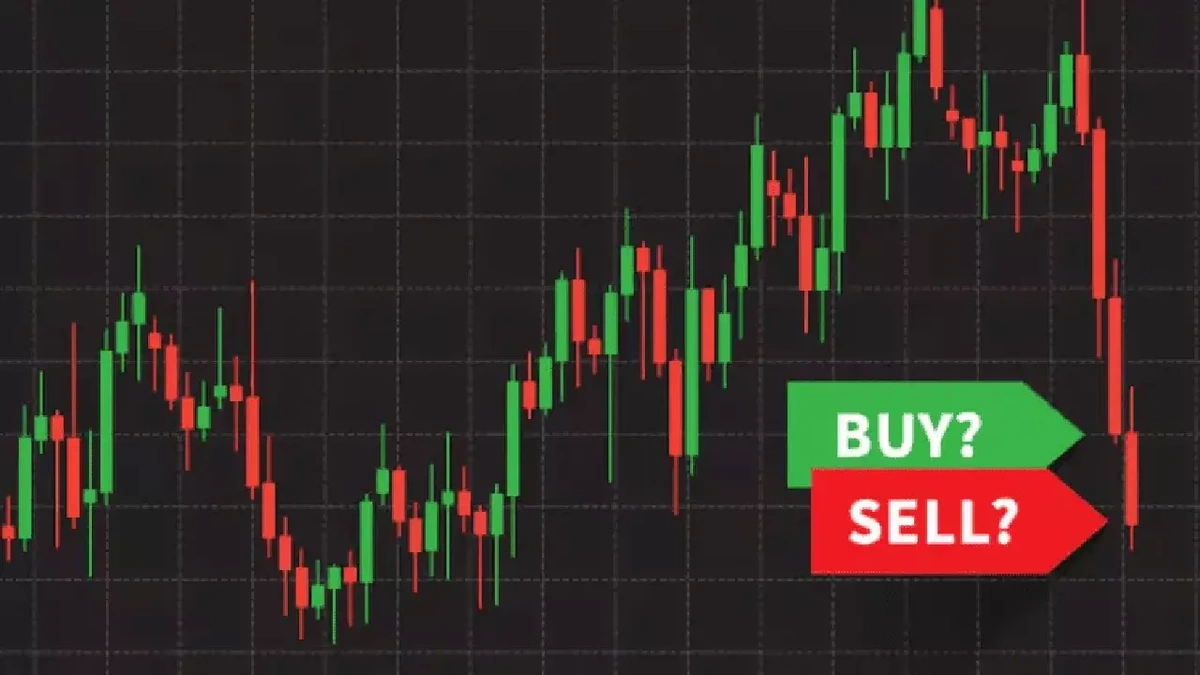
The stock market – it’s a beast, isn’t it? One minute you’re up, the next you’re wondering if you should’ve just stuck to good ol’ fixed deposits. But here’s the thing: smart investing isn’t about avoiding risk; it’s about understanding it. Today, we’re diving deep into a few stocks that are making waves: HUL, TCS, RVNL, HG Infra, and Marico. But, we won’t just regurgitate news. We’re going to explore why these stocks are in focus, what the underlying trends are, and what it all means for your investment portfolio.
The ‘Why’ Behind the Headlines | A Deeper Dive

So, why these stocks today? Let’s break it down. Often, news aggregators will simply report on price movements or analyst ratings. But what fascinates me is the story behind the numbers. For instance, a stock might be up because of a broader sector trend, a specific company announcement, or even just market sentiment.
Hindustan Unilever (HUL) : Let’s be honest, HUL is a behemoth. It’s the kind of stock you expect to see in most Indian portfolios. The focus on HUL often comes down to earnings reports and consumer spending trends. Are people still buying their soaps and shampoos? A key metric to watch is their rural sales growth – a strong indicator of the health of the Indian economy. You can find more information about HUL on reputable financial sites likeMoneycontrol.
Tata Consultancy Services (TCS) : The IT giant’s focus usually revolves around large deal wins, attrition rates, and global economic forecasts. TCS is a bellwether for the entire Indian IT sector. Keep an eye on their commentary regarding AI adoption and digital transformation projects – these are the growth drivers for the future. One thing I initially thought was a simple indicator, client base growth, is more deeply related to international political factors.
Rail Vikas Nigam Limited (RVNL) : RVNL’s story is deeply intertwined with government infrastructure spending. Any announcements regarding new railway projects or budget allocations will directly impact this stock. What’s interesting is how RVNL’s performance often mirrors the government’s focus on infrastructure development leading up to elections. Check Interglobe Aviation Funding for a sense of how other firms are getting off the ground, funding-wise.
HG Infra Engineering : Similar to RVNL, HG Infra benefits from infrastructure projects, particularly in the roads and highways sector. The key here is to track the company’s order book and execution capabilities. Are they winning new contracts? Are they completing projects on time and within budget? A common mistake I see people make is not looking at the debt levels of these infrastructure companies – a high debt burden can significantly impact profitability.
Marico : Marico is another consumer goods company, but with a slightly different focus than HUL. They are known for their brands like Parachute and Saffola. The market focuses on their ability to innovate and adapt to changing consumer preferences, especially in the health and wellness space. I’m personally watching their performance in the digital space – are they effectively reaching consumers through online channels?

Decoding the Market Jargon | What It All Means For You
Financial news is often filled with jargon that can be intimidating. Let’s rephrase some key concepts in plain English.
PE Ratio (Price-to-Earnings Ratio) : This tells you how much investors are willing to pay for each rupee of earnings. A high PE ratio might indicate that the stock is overvalued, while a low PE ratio might suggest it’s undervalued. But, here’s the thing: PE ratios should always be compared within the same industry. For example, a tech company will typically have a higher PE ratio than a utility company.
Dividend Yield : This is the percentage of a company’s share price that it pays out as dividends each year. If you’re looking for regular income from your investments, dividend yield is an important metric to consider. But remember, a high dividend yield can sometimes be a red flag – it might indicate that the company’s share price is falling.
Beta : Beta measures a stock’s volatility relative to the overall market. A beta of 1 means the stock moves in line with the market. A beta greater than 1 means the stock is more volatile than the market, while a beta less than 1 means it’s less volatile. If you’re risk-averse, you might prefer stocks with a low beta. The main keyword to remember is risk.
Building a Resilient Portfolio | Beyond the Daily Headlines
Investing isn’t about chasing the latest hot stock. It’s about building a well-diversified portfolio that can withstand market fluctuations. A common mistake I see people make is putting all their eggs in one basket. Spreading your investments across different sectors and asset classes is crucial.
Consider the following when building your portfolio:
- Risk Tolerance: How much risk are you comfortable with? If you’re young and have a long time horizon, you can afford to take on more risk. If you’re close to retirement, you might prefer a more conservative approach.
- Investment Goals: What are you saving for? Are you saving for retirement, a down payment on a house, or your children’s education? Your investment goals will influence your asset allocation.
- Time Horizon: How long do you have to reach your investment goals? The longer your time horizon, the more risk you can afford to take.
Remember, investing is a marathon, not a sprint. Don’t get caught up in the day-to-day noise of the market. Focus on building a solid foundation and staying the course.

Key Takeaways
Ultimately, understanding stocks requires looking beyond the surface-level news. Delve into the ‘why’ behind market movements, decode the financial jargon, and most importantly, align your investment decisions with your personal financial goals and risk tolerance. Keep asking questions, keep learning, and keep investing wisely. Also keep in mind Groww Net Profit and other firms that may have an affect on the stocks mentioned.
FAQ
Frequently Asked Questions
What factors influence stock prices?
Stock prices are influenced by a range of factors including company performance, industry trends, economic indicators like inflation and GDP growth, and global events.
How often should I review my stock portfolio?
Reviewing your portfolio at least quarterly is advisable to ensure your investments still align with your financial goals and risk tolerance.
What is diversification in the stock market?
Diversification involves spreading your investments across different asset classes, industries, and geographic regions to reduce risk. The goal is to protect yourself against losses in any single investment.
Are penny stocks a good investment?
Penny stocks are extremely speculative and come with a high risk of loss. It’s essential to do extensive research and due diligence before investing in penny stocks, or avoid them altogether if you’re risk-averse.
What is a stock split?
A stock split increases the number of shares you own in a company while reducing the price per share. It doesn’t change the total value of your investment but can make the stock more attractive to a wider range of investors.
Disclaimer: ऊपर दिए गए विचार और सिफारिशें व्यक्तिगत विश्लेषकों या ब्रोकिंग कंपनियों की हैं, न कि "Finance Ghar" की। हम निवेशकों को सलाह देते हैं कि किसी भी निवेश निर्णय लेने से पहले प्रमाणित विशेषज्ञों से परामर्श करें। निवेश में जोखिम होता है और सही जानकारी के बिना निर्णय लेना हानिकारक हो सकता है।