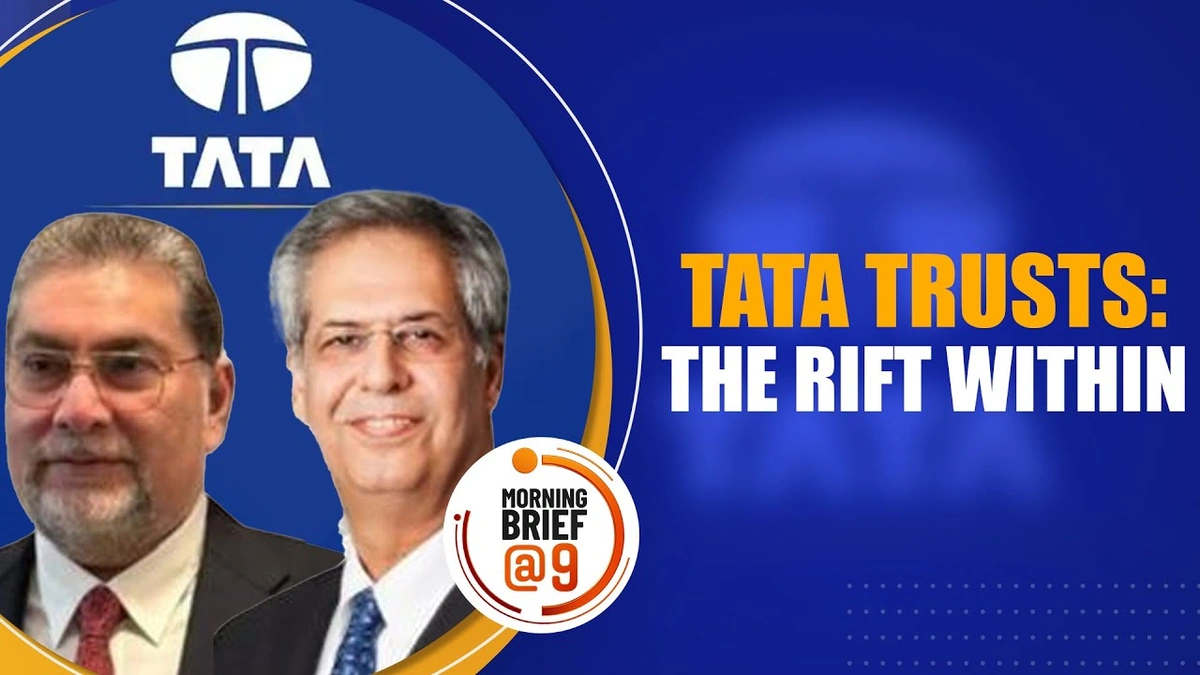
The air around Tata Trusts has always been one of quiet philanthropy, a legacy meticulously built over decades. But lately, that serenity has been punctuated by whispers, allegations, and now, a formal rebuttal. Darius Khambata’s letter to the trustees isn’t just a piece of correspondence; it’s a statement. It’s a line drawn in the sand. But why does it matter to you and me? Let’s be honest, corporate squabbles usually feel distant, irrelevant. This one, however, touches upon something fundamental: the integrity of institutions that shape our society.
What Exactly Is Being Claimed?
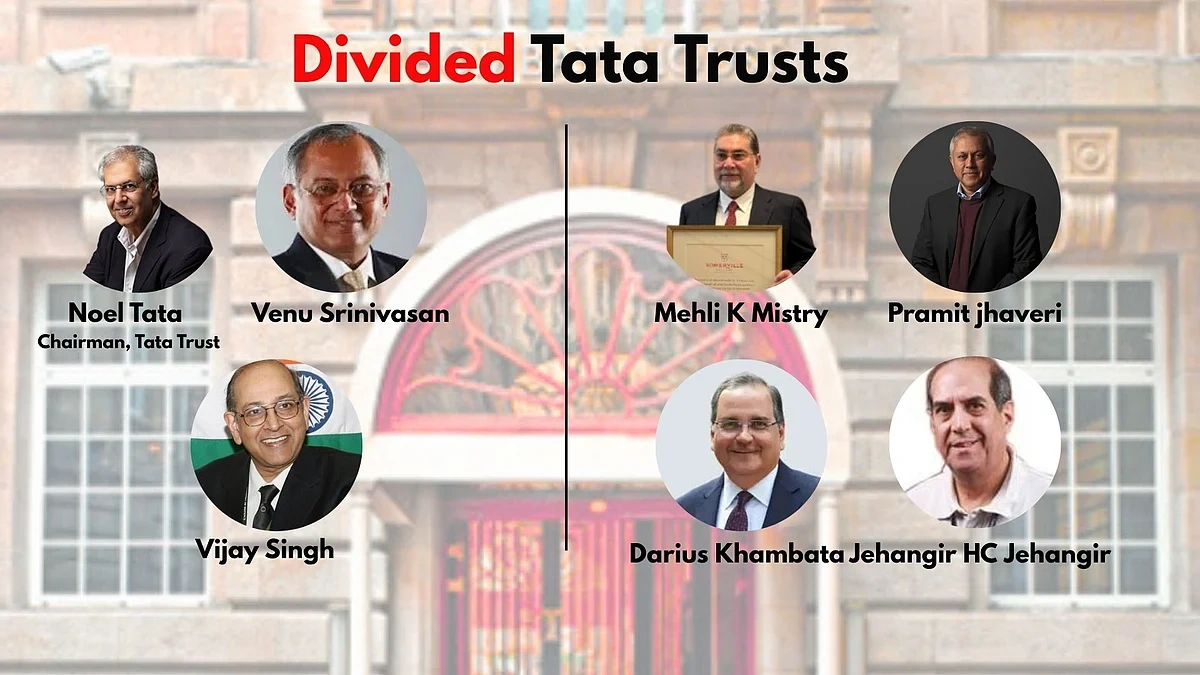
So, what are these “coup” claims anyway? Essentially, it boils down to allegations of undue influence or attempts to seize control during a Tata Trusts meeting. The specifics are often shrouded in legal jargon and insider terminology, but the core concern is whether decisions were made fairly and transparently. Now, Darius Khambata, a respected figure, has stepped forward to vehemently deny these claims in a formal letter addressed to his fellow trustees. Why is this significant? Because it suggests the presence of serious dissent and disagreement within the trust itself. This isn’t just about hurt feelings; it’s about the future direction and governance of one of India’s most influential philanthropic organizations.
You see, these trusts wield immense power. They fund crucial initiatives in healthcare, education, rural development, and so much more. If the leadership and decision-making processes are compromised, the impact ripples outwards, affecting countless lives across the country. A common mistake I see people make is dismissing these kinds of events as internal matters. But the truth is, the stability and ethical conduct of these institutions are vital to the well-being of our nation.
The Letter’s Significance | More Than Just Words
The very act of Khambata writing this letter speaks volumes. It’s not a casual conversation or a whispered complaint; it’s a formal communication, carefully worded and likely reviewed by legal counsel. It signifies that the situation has escalated to a point where a public (or at least, a semi-public, given it’s addressed to the trustees) denial is deemed necessary. The tone and content of the letter likely aim to reassure stakeholders, both internal and external, that the governance of Tata Trusts remains sound and that the allegations are baseless. But – and this is a big but – it also acknowledges the existence of these allegations in the first place. This isn’t something you casually dismiss. It demands investigation and transparency.
The Broader Context | Philanthropy in India
What fascinates me is how this incident fits into the larger narrative of philanthropy in India. We’re seeing a growing emphasis on accountability, transparency, and ethical conduct in the non-profit sector. Donors, beneficiaries, and the public are demanding more oversight and scrutiny. This is a positive trend, pushing organizations to operate with greater integrity. As the landscape of Indian philanthropy evolves, instances like these serve as a reminder that even the most respected institutions aren’t immune to internal conflicts and challenges to their governance. As per the guidelines mentioned in the information bulletin, maintaining public trust is paramount for any philanthropic organization.
But, let’s be real, it’s also about reputation management. Tata Trusts has a legacy to protect, and any hint of scandal can tarnish that image. The letter is, in part, an attempt to control the narrative and prevent further damage. The one thing you absolutely must double-check is the source and veracity of any news related to such sensitive matters. According to the latest circular on the official website , misinformation can spread rapidly.
Impact on Tata Trusts Initiatives
So, how does all this potentially impact the actual work being done by Tata Trusts ? The answer is complex. On one hand, the trusts have a well-established infrastructure and a dedicated team of professionals who are committed to their mission. These initiatives would likely continue, regardless of the internal turmoil. However, prolonged disputes and a lack of transparency can erode public confidence, making it harder to attract funding and support for future projects. Moreover, it can divert attention and resources away from core activities, hindering the trust’s ability to achieve its goals. Also, these kinds of distractions affect trustee responsibilities .
Furthermore, potential donors might hesitate to contribute if they perceive instability or a lack of accountability within the organization. It’s crucial for Tata Trusts to address these concerns promptly and demonstrate a commitment to ethical governance. The impact on various Tata Group entities cannot be ignored.
What Does the Future Hold?
The situation is still unfolding. The next steps likely involve internal investigations, discussions among the trustees, and potentially, external audits to ensure compliance with regulations. The outcome will depend on the willingness of all parties to engage in open and honest dialogue and to prioritize the long-term interests of Tata Trusts and its beneficiaries. This situation also brings up the question of succession planning within the trusts.
What I initially thought was straightforward, then I realized the complexities involved and it demands careful consideration and transparency to maintain its integrity and continue its impactful work. It’s a reminder that even the most venerable institutions must remain vigilant in upholding ethical standards and fostering a culture of accountability.
FAQ
Frequently Asked Questions
What is the main purpose of Tata Trusts ?
Tata Trusts is a group of philanthropic organizations founded by the Tata family, dedicated to addressing various social and economic challenges in India.
What triggered Darius Khambata’s letter?
The letter was prompted by claims of a ‘coup’ during a recent Tata Trusts meeting, which Darius Khambata refuted in his communication to the trustees.

How could this affect Tata Trusts ‘ initiatives?
Internal disputes can potentially divert resources and attention from core activities, impacting the trust’s ability to achieve its philanthropic goals.
What are the key principles of Tata Trusts governance?
Transparency, accountability, and ethical conduct are vital for maintaining public trust and ensuring the effective management of the trust’s resources.
Why is trustee independence important?
Trustee independence helps ensure that decisions are made in the best interest of the trust and its mission, free from undue influence or conflicts of interest. It is the most important element of maintaining ethical standards .
What is the current status of this?
This situation is still unfolding. The next steps likely involve internal investigations, discussions among the trustees, and potentially, external audits to ensure compliance with regulations.
Disclaimer: ऊपर दिए गए विचार और सिफारिशें व्यक्तिगत विश्लेषकों या ब्रोकिंग कंपनियों की हैं, न कि "Finance Ghar" की। हम निवेशकों को सलाह देते हैं कि किसी भी निवेश निर्णय लेने से पहले प्रमाणित विशेषज्ञों से परामर्श करें। निवेश में जोखिम होता है और सही जानकारी के बिना निर्णय लेना हानिकारक हो सकता है।