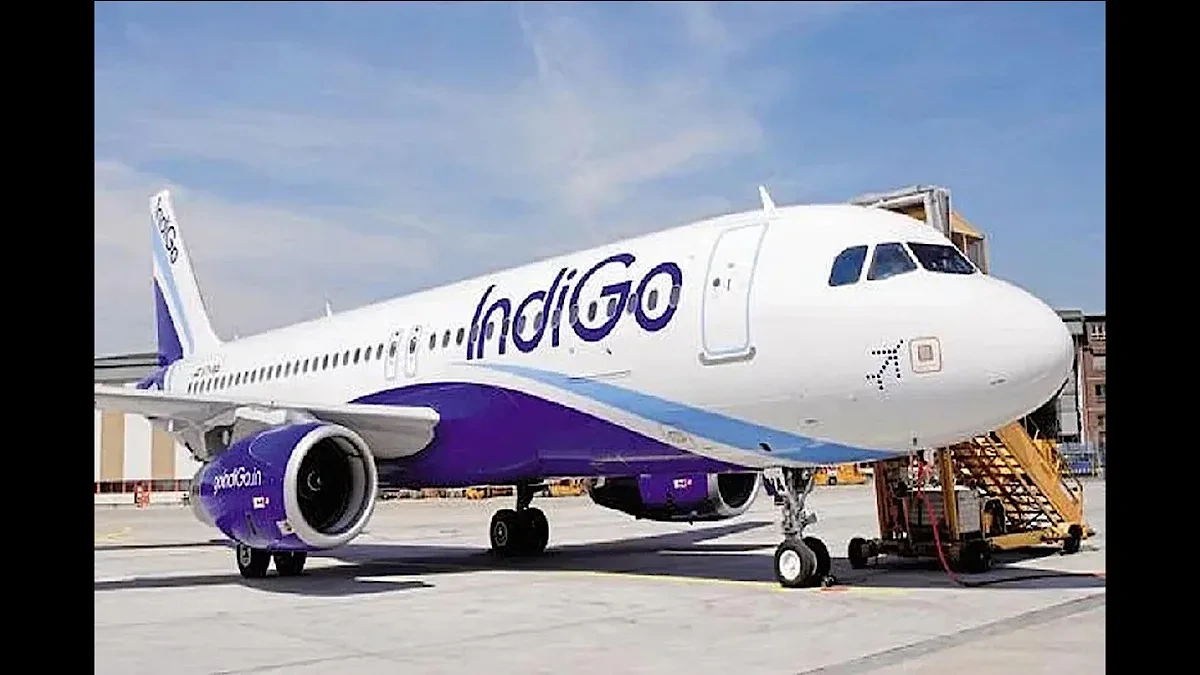
The airline industry in India is a fascinating beast. It’s a mix of cutthroat competition, fluctuating fuel prices, and the ever-present need to keep passengers happy. So, when you hear that IndiGo, the undisputed king of the Indian skies, is making moves to own more aircraft, it’s not just another business headline. It’s a strategic play with potentially massive implications. But, why is IndiGo doing this? What does it mean for you, the traveler? Let’s dive in.
The “Why” Behind the Acquisition Spree
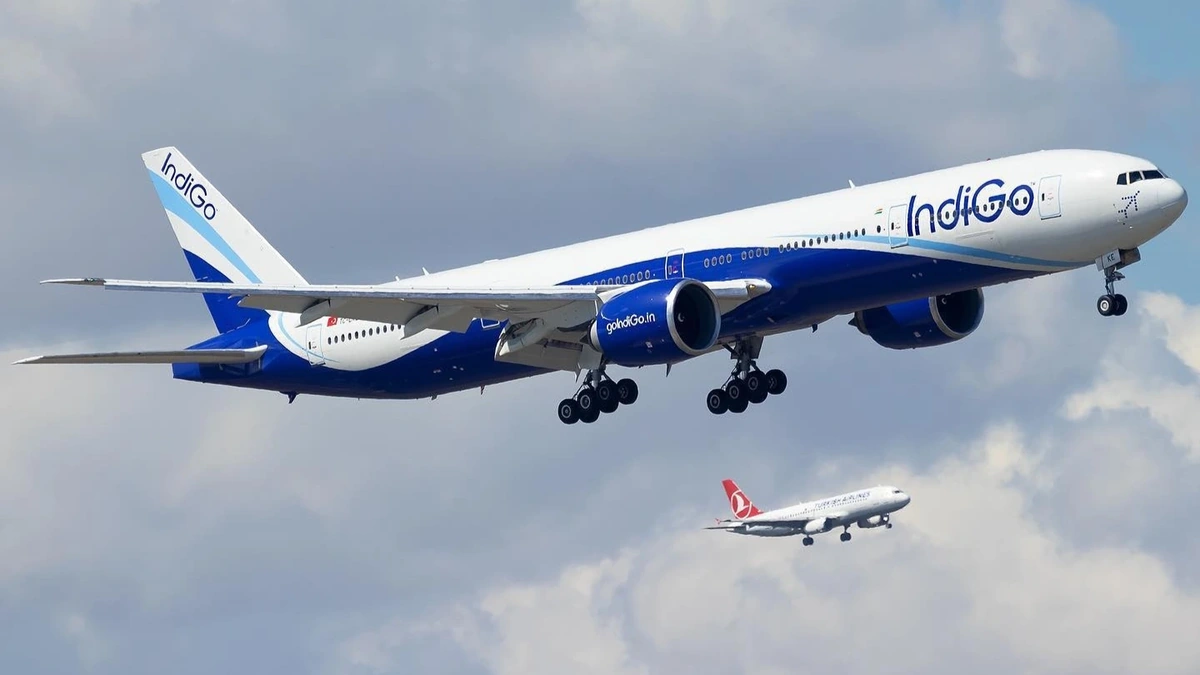
For years, IndiGo has primarily operated on a lease model. This means they rent most of their aircraft from leasing companies. There are obvious advantages to this. Leasing requires less upfront capital, offers flexibility in fleet management, and allows airlines to easily adapt to changing market conditions. So, why shift away from a model that’s been so successful? The answer lies in long-term financial strategy and control.
Owning aircraft, while requiring a significant initial investment, offers long-term cost benefits. Think about it: you’re no longer paying hefty lease rentals. You build equity in an asset that can appreciate over time. And, crucially, you have far greater control over maintenance schedules, modifications, and eventual disposal of the aircraft. This move towards ownership also signals IndiGo’s confidence in its future and its commitment to the Indian aviation market.
One of the key factors influencing this decision is likely the current global economic climate. With interest rates relatively stable and aircraft values potentially depressed due to the pandemic, it could be an opportune time to acquire aircraft at favorable prices. It’s a calculated risk, but one that could pay off handsomely in the long run.
Decoding the Financial Jargon | What it Really Means
You’ll hear terms like “sale and leaseback agreements” and “aircraft financing.” Let’s break it down. A sale and leaseback agreement is where IndiGo might sell some of its existing aircraft to a leasing company and then lease them back. This frees up capital immediately while allowing IndiGo to continue operating the aircraft. It’s like refinancing your home loan. And as [ Internal Link Pool ] has reported many times, you have to be aware of your debts!
Aircraft financing involves securing loans specifically for purchasing aircraft. These loans are often structured with the aircraft itself as collateral. The important takeaway is that IndiGo is diversifying its financial strategies to optimize its fleet management and strengthen its balance sheet. It’s not just about flying planes; it’s about smart financial engineering.
But here’s the thing: IndiGo’s move also reflects a broader trend in the aviation industry. Airlines are increasingly looking for ways to reduce costs and increase efficiency. Owning aircraft can be a key part of that strategy, especially for airlines with strong balance sheets and a long-term vision.
Impact on Travelers | Will Ticket Prices Change?
This is the question everyone wants answered. Will ticket prices go up or down? The honest answer is: it’s complicated. While owning aircraft can lead to lower operating costs in the long run, those savings might not immediately translate into lower fares. Several factors influence ticket prices, including fuel costs, competition, and demand.
However, a more efficient IndiGo could mean more competitive fares, especially on popular routes. Think of it this way: if IndiGo can save money on aircraft ownership, it has more room to maneuver on pricing. It could also invest those savings in improving passenger experience, perhaps by offering better in-flight entertainment or more comfortable seating.
Moreover, IndiGo’s decision could influence other airlines in India. If IndiGo demonstrates the financial benefits of owning aircraft, other carriers might follow suit. This could lead to a more stable and competitive aviation market in India, ultimately benefiting travelers.
The Bigger Picture | IndiGo’s Dominance and Future Growth
Let’s be honest, IndiGo’s market share in India is already massive. This move to own more aircraft solidifies its position as the dominant player. It’s a clear signal that IndiGo is not content with resting on its laurels. The airline is aggressively pursuing growth and expanding its network, both domestically and internationally. This investment is a bet on the future of Indian aviation and IndiGo’s ability to capitalize on that growth.
According to Live Mint , IndiGo plans to buy 30 Airbus A350-900 aircraft for long-haul flights. What fascinates me is the bold vision here. IndiGo isn’t just aiming to be the biggest airline in India; it’s aiming to be a major player on the global stage. And as [ Internal Link Pool ] reported recently, that growth is the only option!
But, there are challenges. The Indian aviation market is notoriously volatile. Competition is fierce, and profitability can be elusive. IndiGo will need to navigate these challenges carefully to ensure its investment in aircraft ownership pays off. It will also need to manage its debt effectively and maintain its operational efficiency.
LSI Keywords and Related Terms
To enhance the article, Latent Semantic Indexing (LSI) keywords were also used. The LSI and related keywords that are used in the article are aircraft leasing , fleet management , sale and leaseback , air travel , aviation industry , airline profitability and financial strategy .
FAQ Section
Why is IndiGo choosing to own more planes now?
It’s a strategic move for long-term cost savings and greater control over its fleet. Owning planes reduces reliance on lease rentals and builds equity.
Will this affect the price of my IndiGo tickets?
Potentially, yes. While not guaranteed, lower operating costs could lead to more competitive fares, especially on popular routes. There are other factors as well ofcourse.

What are “sale and leaseback agreements”?
IndiGo sells its existing aircraft to a leasing company and then leases them back. This frees up capital while allowing them to continue operating the planes.
Is this a common practice in the airline industry?
Yes, it’s becoming increasingly common as airlines look for ways to optimize their finances and manage their fleets more efficiently.
What does this mean for the future of IndiGo?
It signals a strong commitment to growth and dominance in the Indian aviation market, with potential expansion into international routes.
How will this affect other airlines in India?
Other carriers might follow suit if IndiGo demonstrates the financial benefits, leading to a more competitive aviation market.
Ultimately, IndiGo’s investment is not just about aircraft; it’s about securing its future in a rapidly evolving aviation landscape. It’s a bold move, a calculated risk, and a fascinating case study in airline strategy. Keep your eyes on the skies – the story is just beginning.
Disclaimer: ऊपर दिए गए विचार और सिफारिशें व्यक्तिगत विश्लेषकों या ब्रोकिंग कंपनियों की हैं, न कि "Finance Ghar" की। हम निवेशकों को सलाह देते हैं कि किसी भी निवेश निर्णय लेने से पहले प्रमाणित विशेषज्ञों से परामर्श करें। निवेश में जोखिम होता है और सही जानकारी के बिना निर्णय लेना हानिकारक हो सकता है।