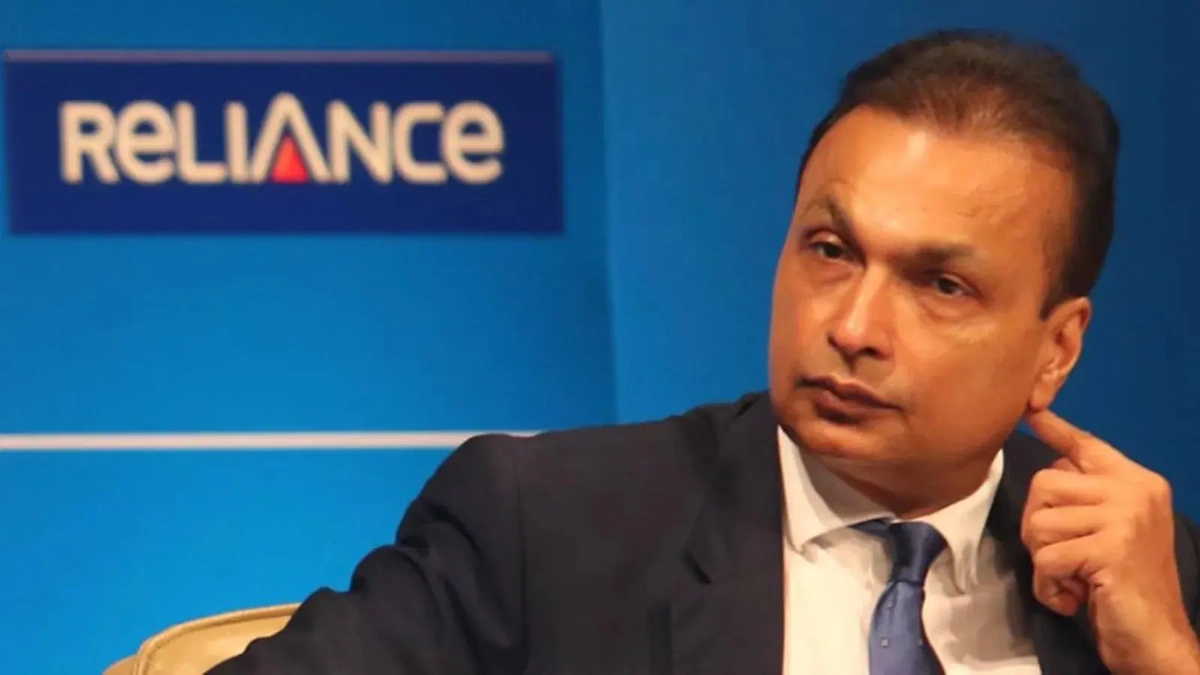
Anil Ambani. The name once evoked images of towering skyscrapers, global telecom empires, and the kind of audacious ambition that defined India’s economic ascent. But, lately? Well, let’s be honest, the narrative has taken a rather… unexpected turn. It’s a story of dizzying heights followed by a humbling descent. What fascinates me is how someone who once commanded such immense power could find himself facing such significant challenges. So, let’s not just talk about the news; let’s dissect what happened. Let’s explore the intricacies of Anil Ambani’s financial saga and see what lessons we can glean.
The Rise and the View From the Top
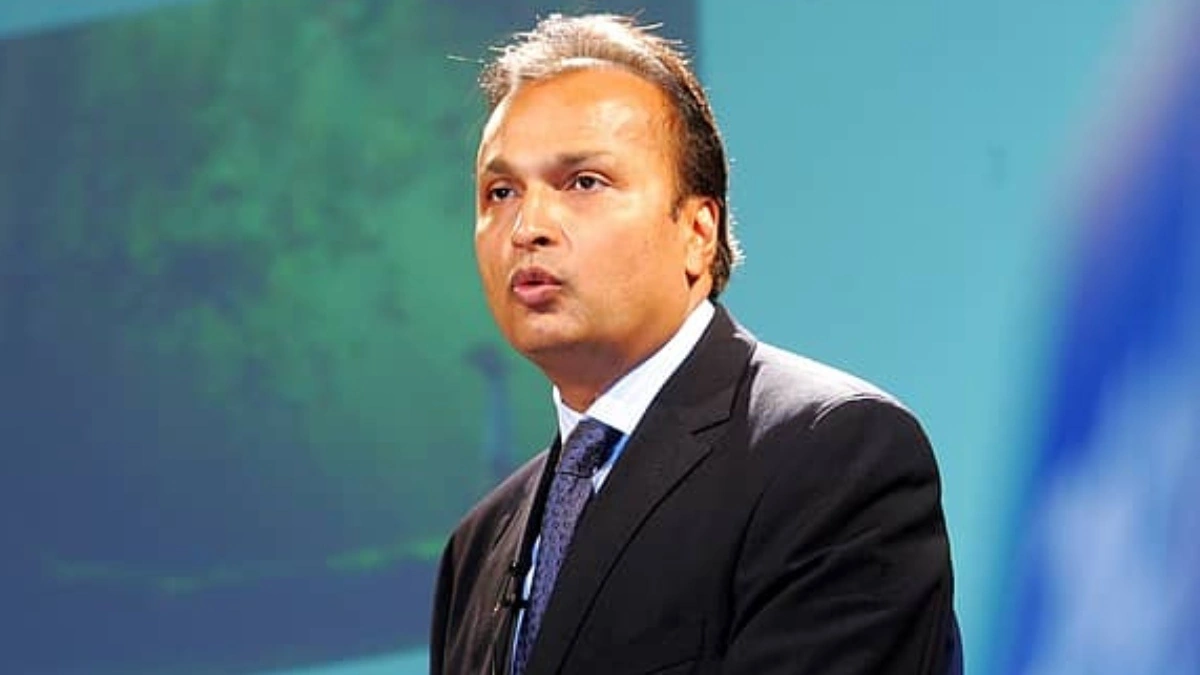
To understand the present, we have to rewind. Anil, younger brother of Mukesh Ambani, inherited a significant portion of the Reliance empire after a family settlement. He ventured into telecom (Reliance Communications), entertainment (Reliance Entertainment), and infrastructure. Early on, the moves seemed golden. Reliance Communications became a major player, challenging established giants. The group expanded rapidly, fueled by aggressive expansion and ambitious projects. His vision was grand, his execution, initially, impressive.
But, here’s the thing: rapid expansion often comes with risks. And in Anil Ambani’s case, the risks eventually caught up. The telecom sector, in particular, became fiercely competitive, with disruptive pricing strategies eroding profitability. The entry of Reliance Jio, helmed by his brother Mukesh, further intensified the pressure. The telecom landscape shifted seismically, and Reliance Communications found itself struggling to keep pace. But that wasn’t the entire picture. Ambitious infrastructure projects, while potentially lucrative, require massive capital investments and can be vulnerable to delays and regulatory hurdles. This is where, I think, the cracks started to appear. I initially thought it was straightforward telecom competition, but then I realized that many factors were at play.
The Debt Trap | A Deep Dive
One word: Debt. Reliance Group’s aggressive expansion was largely financed through debt. This strategy works wonders when things go smoothly, but it becomes a heavy burden when revenues falter. As Reliance Communications struggled, its debt pile became unsustainable. Interest payments mounted, and the company’s ability to generate sufficient cash flow to service its debt diminished. According to a report by theLivemint, Reliance Group’s debt reached staggering levels, becoming a major cause for concern. The dream turned into something of a nightmare.
And here’s where it gets interesting. It wasn’t just Reliance Communications. Other group companies also faced financial pressures. Projects stalled, investments soured, and the debt burden continued to weigh heavily. The domino effect began. The group started selling assets to reduce debt, but even that proved insufficient to resolve the crisis. But , these asset sales often happened at fire-sale prices, further eroding value. I’ve seen this happen before – a company gets caught in a vicious cycle, forced to sell assets at a discount to meet immediate obligations, ultimately weakening its financial position further. Now, let’s dive into the strategies tried to get out of it.
Attempts at Revival and the Road Ahead
Anil Ambani and his team explored various strategies to revive the group. These included asset sales, restructuring plans, and attempts to attract new investors. There were moments of hope, but ultimately, these efforts proved insufficient to overcome the underlying challenges. The telecom business, once the crown jewel, was eventually pushed into bankruptcy proceedings. This was a particularly painful blow, marking a significant turning point in Anil Ambani’s career. The dream of a telecom empire lay shattered.
But what’s next? The story of Anil Dhirubhai Ambani is far from over, even if the Reliance Anil Ambani Group properties were under scrutiny. He faces significant legal battles and continues to work towards resolving the group’s debt. The journey ahead will be arduous, requiring resilience, strategic thinking, and perhaps a dose of reinvention. Whether he can successfully navigate these challenges remains to be seen. As per the guidelines mentioned in the information bulletin , the path to financial recovery will be long and complex. Maybe, he will restructure, rebuild, and try again. Or maybe, things will turn out differently. The future is yet to be written.

Lessons Learned | What Can We Take Away?
The story of Anil Ambani is a cautionary tale. It highlights the risks of excessive debt, the importance of adaptability in a rapidly changing business environment, and the need for sound financial management. A common mistake I see people make is underestimating the importance of risk management. Aggressive expansion, while tempting, can be disastrous if not managed carefully. This is a lesson that applies not only to large corporations but also to individual investors and entrepreneurs. There’s a lesson in there for all of us. The world of Indian business is filled with examples. From the beginning, there were potential risks. Now, here’s a question: how can other professionals avoid his mistakes?
Beyond the specifics of Anil Ambani’s case, there’s a broader message about the cyclical nature of business. Fortunes can rise and fall, and even the most successful individuals can face adversity. The key is to learn from these experiences, adapt to changing circumstances, and maintain a long-term perspective. It is important to maintain a long term perspective, which is why financial planning is very important.
Anil Ambani | Beyond the Headlines
What fascinates me is not just the financial drama, but the human element. Behind the balance sheets and legal battles is a person who experienced both immense success and significant setbacks. The pressure of leading a major corporation, the weight of expectations, and the stress of financial difficulties must have taken a toll. While it’s easy to judge from afar, it’s important to remember that behind every business story there are real people with their own hopes, fears, and struggles.
The story of Anil Ambani is complex and multi-layered. It’s a story of ambition, risk, and resilience. It’s a story that offers valuable lessons for anyone interested in business, finance, or the human condition. It is the story of a man who ran a marathon, stumbled, but is still trying to get back on his feet. And honestly? I find that pretty compelling. The story is ongoing. We shall see where he goes. This is related to Reliance Capital and other big groups with many companies and a lot of money involved.
FAQ Section
What exactly went wrong with Reliance Communications?
Reliance Communications faced a combination of factors, including intense competition in the telecom sector, the disruptive entry of Reliance Jio, and a heavy debt burden. These factors eroded profitability and ultimately led to bankruptcy proceedings.
What is Anil Ambani doing now?
Anil Ambani is currently focused on resolving the group’s debt and navigating ongoing legal battles. He is also exploring potential restructuring and revival strategies.
What are the key lessons from Anil Ambani’s story?
Key lessons include the risks of excessive debt, the importance of adaptability, the need for sound financial management, and the cyclical nature of business fortunes.

How does this relate to Mukesh Ambani and Reliance Jio?
The entry of Reliance Jio, led by Mukesh Ambani, intensified competition in the telecom sector and put significant pressure on Reliance Communications.
Where can I find more official information about Reliance Group’s financial situation?
You can find information on the official websites of Reliance Group companies, as well as in financial news reports and regulatory filings. Check sources like theSEBIwebsite.
Was Reliance Infrastructure also affected?
Yes, Reliance Infrastructure, like other companies in the group, also faced financial pressures due to debt and project-related challenges. It is important to understand the financial troubles of big companies and what to expect.
So, that’s the story of Anil Ambani. A marathon runner facing unexpected hurdles. It’s not just about the numbers; it’s about the ambition, the challenges, and the lessons learned along the way. Just like the US Fed rate cut can have a big impact on businesses.
Disclaimer: ऊपर दिए गए विचार और सिफारिशें व्यक्तिगत विश्लेषकों या ब्रोकिंग कंपनियों की हैं, न कि "Finance Ghar" की। हम निवेशकों को सलाह देते हैं कि किसी भी निवेश निर्णय लेने से पहले प्रमाणित विशेषज्ञों से परामर्श करें। निवेश में जोखिम होता है और सही जानकारी के बिना निर्णय लेना हानिकारक हो सकता है।