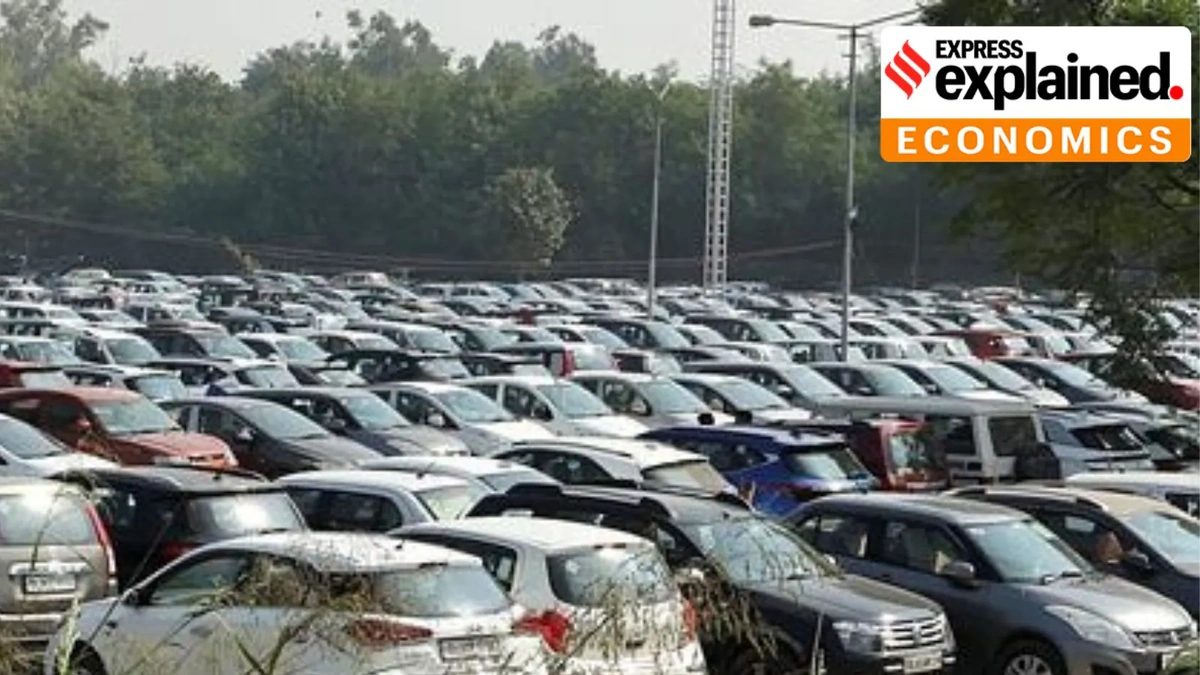
October was a blockbuster month for the Indian auto industry. Car sales soared to unprecedented heights, leaving industry analysts and consumers alike buzzing with excitement. But what’s really driving this surge? It’s not just the usual festive season bump – there’s a deeper story unfolding here, one that involves the evolving landscape of the Goods and Services Tax (GST) and its impact on consumer behavior. Let’s dive in.
The GST 2.0 Effect | A Game Changer for Car Buyers?
Here’s the thing: the initial rollout of GST created a lot of confusion and, frankly, a bit of a dampener on consumer sentiment. But over time, the government has been tweaking and refining the system, leading to what many are calling GST 2.0 . What does this mean for automobile sales ? It’s about simplification and increased efficiency. Reduced compliance burdens and smoother processes translate to cost savings for manufacturers, which they can then pass on to consumers in the form of attractive offers and discounts. And in a price-sensitive market like India, those discounts make all the difference.
Think of it this way: pre-GST 2.0, buying a car involved navigating a complex web of taxes and levies. Now, the process is more streamlined, transparent, and predictable. This increased clarity encourages buyers to take the plunge. This positive effect of GST reform is explained on the Central Board of Indirect Taxes and Customs website.
Festive Fervor | More Than Just a Tradition
Of course, we can’t ignore the power of the festive season. Diwali, Dussehra, and other major festivals are deeply ingrained in Indian culture. They’re times for celebration, family gatherings, and, yes, big-ticket purchases. Buying a car during this period is considered auspicious by many, adding a layer of emotional significance to the decision. But, and this is a big “but,” the festive season alone doesn’t explain the record sales. There’s something else at play.
Let me rephrase that for clarity: the festive season provides the initial spark, but GST 2.0 acts as the fuel that ignites the engine. Combine the two, and you’ve got a recipe for explosive growth in vehicle sales .
Pent-Up Demand and Evolving Consumer Preferences
Another critical factor driving the car sales boom is pent-up demand. The COVID-19 pandemic put a major dent in the auto industry, with lockdowns, supply chain disruptions, and economic uncertainty causing sales to plummet. As the situation improved, people began to feel more confident about spending, and that pent-up demand started to materialize. In other words, people who had been putting off buying a car for the past couple of years finally decided to take the leap.
But it’s not just about delayed purchases. Consumer preferences are also evolving. More and more Indians are looking for vehicles that offer advanced safety features, fuel efficiency, and connectivity options. Automakers are responding by launching new models that cater to these changing needs, further fueling demand. As mentioned here , fundamental strength also gives buyers confidence in the long-term value of their purchase.

The Road Ahead | Can the Momentum Continue?
So, what does the future hold for the Indian auto industry? Can this record-breaking momentum continue? The answer, as always, is complex. Several factors will play a crucial role, including the overall health of the economy, government policies, and global trends.
One thing is certain: GST 2.0 has had a significant positive impact on the industry. Continued reforms and simplification of the tax system will be essential to sustaining growth. Additionally, automakers need to continue innovating and launching new models that meet the evolving needs of Indian consumers. Another important link is the overall strength of related sectors .
I initially thought this was straightforward, but then I realized the potential impact of rural demand. Rising rural incomes and increased awareness of the benefits of owning a car could unlock a massive new market for automakers. The key will be to offer affordable and reliable vehicles that are tailored to the specific needs of rural consumers.
The EV Factor | A Disruptor on the Horizon
Let’s be honest: we can’t talk about the future of the auto industry without mentioning electric vehicles (EVs). While EVs currently account for a small percentage of total car sales in India, their popularity is growing rapidly. The government is actively promoting the adoption of EVs through various incentives and subsidies, and automakers are investing heavily in developing new electric models.
The transition to EVs will be a gradual process, but it has the potential to fundamentally transform the industry. As battery technology improves and charging infrastructure expands, EVs will become increasingly competitive with traditional gasoline-powered cars. This will not only reduce pollution and greenhouse gas emissions but also create new opportunities for innovation and growth. The growth in electric vehicle sales could be staggering in the coming years.
FAQ Section
Frequently Asked Questions
What specific changes were made in GST 2.0 that boosted car sales?
GST 2.0 primarily refers to the simplification and streamlining of GST processes, reducing compliance burdens and leading to faster input tax credit refunds for manufacturers, allowing them to pass on cost benefits to customers.
Are these record car sales figures consistent across all segments (hatchbacks, SUVs, etc.)?
No, the growth varies across segments. SUVs and compact SUVs have generally seen the highest growth rates due to evolving consumer preferences and road conditions in India.

How do interest rates on auto loans affect car sales?
Higher interest rates can dampen sales by increasing the overall cost of ownership, while lower interest rates can incentivize buyers. RBI policies and market dynamics significantly influence these rates.
What role do government policies play in supporting the auto industry?
The government supports the industry through tax incentives, infrastructure development (roads), and policies promoting local manufacturing like the Make in India initiative.
Will car prices increase in the near future?
Car prices may increase due to rising input costs (raw materials, components), regulatory changes (emission norms), and technological upgrades (safety features). Market competition can moderate these increases.
What fascinates me is how all these factors – GST 2.0, the festive season, pent-up demand, evolving consumer preferences, and the rise of EVs – are converging to create a perfect storm for the Indian auto industry. It’s a dynamic and exciting time, and I can’t wait to see what the future holds.
Disclaimer: ऊपर दिए गए विचार और सिफारिशें व्यक्तिगत विश्लेषकों या ब्रोकिंग कंपनियों की हैं, न कि "Finance Ghar" की। हम निवेशकों को सलाह देते हैं कि किसी भी निवेश निर्णय लेने से पहले प्रमाणित विशेषज्ञों से परामर्श करें। निवेश में जोखिम होता है और सही जानकारी के बिना निर्णय लेना हानिकारक हो सकता है।