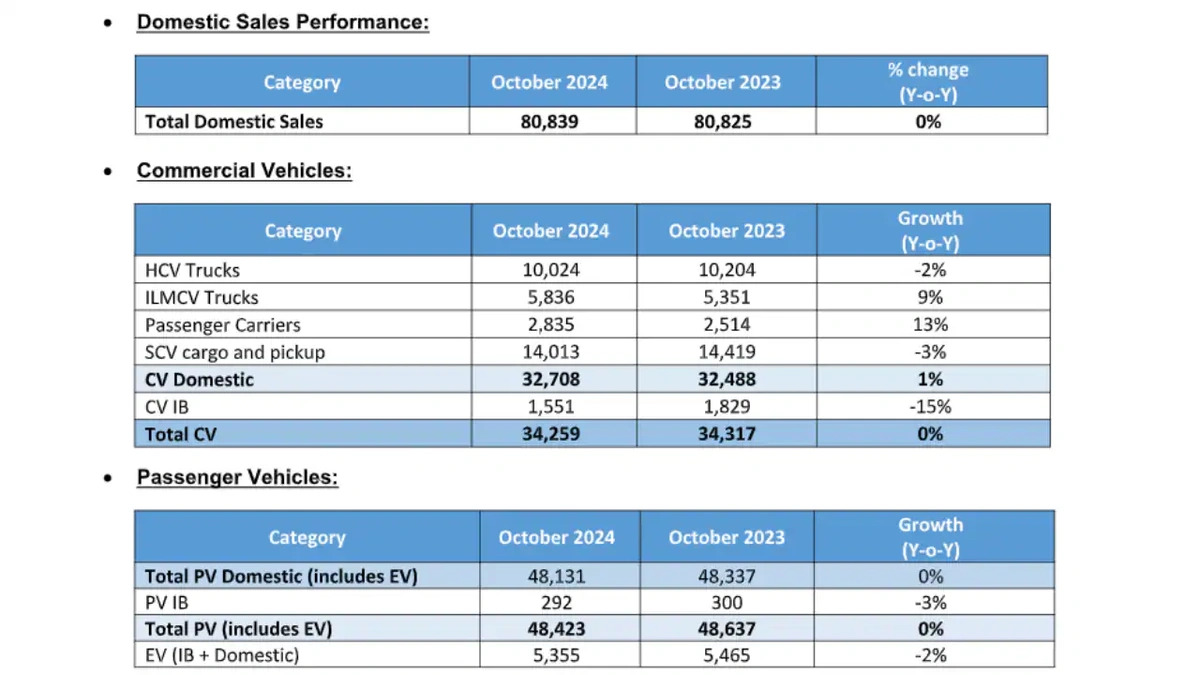
October brought fireworks for Tata Motors . Not just the Diwali kind, but the kind that lights up the sales charts! They didn’t just inch ahead; they dominated , leaving Mahindra and Hyundai trailing in the dust. But here’s the thing: numbers alone don’t tell the full story. We need to dig deeper. We need to understand why this happened. And that’s precisely what we’re going to do – peel back the layers of this sales success to understand the ‘why’ behind the numbers.
Decoding Tata’s October Triumph | More Than Just Luck
So, what fueled this surge? Was it a stroke of good fortune, a flash in the pan? Or is there something more strategic at play? Let’s be honest, the automotive industry is a battlefield. To win, you need more than just good products; you need the right strategy, the right timing, and a deep understanding of the Indian consumer. What fascinates me is how Tata managed to hit all those notes in perfect harmony. And one of the reasons is increased production capacity, which is key to meeting rising demand and shortening waiting periods.
Consider the broader context. The Indian auto market is fiercely competitive. Mahindra has been making waves with its SUVs, and Hyundai remains a formidable force. So, for Tata to not just compete but outright outperform these giants speaks volumes. It’s a testament to their evolving product portfolio, their aggressive marketing strategies, and perhaps most importantly, their focus on addressing the specific needs and aspirations of the Indian car buyer. The impact of festive season demand cannot be overstated. Diwali is a huge driver of sales.
The SUV Factor | Riding the Wave
Let’s dive into the specifics. A significant chunk of Tata’s success can be attributed to its strong SUV lineup. Models like the Nexon, Harrier, and Safari have consistently raked in impressive numbers. And it’s not just about offering SUVs; it’s about offering SUVs that resonate with the Indian psyche. They’re stylish, feature-rich, and importantly, they project an image of strength and capability – qualities that are highly valued in the Indian market. Plus, with the rising interest in electric vehicles, the Tata Nexon EV has given the business an added boost. This focus on sustainable mobility has really helped boost their market share growth.
But, (yes, there’s always a ‘but’) it’s not just about the SUVs themselves. Tata has also been very clever in how they market and position these vehicles. They’ve tapped into the aspirational desires of the Indian middle class, portraying their SUVs as symbols of success and upward mobility. And that, my friend, is a powerful selling point.
Beyond the Showroom | The Customer Experience
Here’s something often overlooked: the customer experience. Tata has been quietly but steadily improving its dealerships and after-sales service. And in today’s world, a positive customer experience can be a major differentiator. People are willing to pay a premium for brands that treat them well and make them feel valued. This ties in with customer satisfaction being a key element in brand loyalty.

I initially thought this was a minor detail, but then I realised it’s not. Think about it from the buyer’s perspective. Buying a car is a big decision, a significant investment. And people want to feel confident that they’re making the right choice, not just in terms of the vehicle itself, but also in terms of the overall ownership experience. Tata seems to have understood this and is actively working to create a more positive and seamless customer journey. This is also connected to the popularity of Tata Motors’ passenger vehicles.
But the road ahead is not without its challenges. Supply chain disruptions, rising input costs, and increasing competition are all factors that could potentially impact Tata’s future performance. And as we all know, the automotive industry is constantly evolving, with new technologies and new players emerging all the time. And here is an interesting story about Wind Power Stock.
The Road Ahead | Can Tata Maintain Its Momentum?
So, the million-dollar question is: can Tata maintain this momentum? Can they continue to outperform Mahindra and Hyundai in the months and years to come? It’s a tough question to answer, but here’s my take: Tata has laid a strong foundation for future success. They have a compelling product lineup, a growing brand reputation, and a clear understanding of the Indian market. However, they need to stay agile, adapt to changing market dynamics, and continue to innovate to stay ahead of the competition. Investing in research and development, exploring new technologies (like electric vehicles and autonomous driving), and strengthening their global partnerships are all crucial steps for Tata to take.
Moreover, monitoring automotive sales data is an important step in the business. They need to stay up to date with the current trends. And here is a page with information about US Fed Rate Cut. And let’s not forget, the Indian consumer is becoming increasingly discerning. They want value for money, they want quality, and they want a brand that they can trust. Tata needs to continue to deliver on these expectations to maintain its market leadership. In conclusion, Tata’s October sales triumph is a testament to their hard work, their strategic vision, and their commitment to the Indian market. But the journey has just begun. The road ahead will be challenging, but with the right strategy and the right execution, Tata can undoubtedly continue to dominate the Indian automotive landscape.
FAQ Section
What were the key factors contributing to Tata Motors’ strong October sales?
A combination of strong SUV sales (Nexon, Harrier, Safari), increased production capacity, and festive season demand drove sales.
How does Tata Motors compare to its competitors like Mahindra and Hyundai?
Tata Motors outperformed both Mahindra and Hyundai in October sales, indicating a shift in market dynamics.

What is Tata Motors doing to improve customer experience?
Tata Motors is focusing on improving its dealerships and after-sales service to enhance customer satisfaction.
What are the challenges facing Tata Motors in the future?
Supply chain disruptions, rising input costs, and increasing competition pose potential challenges for Tata Motors.
What role did electric vehicles play in Tata Motors’ October sales?
The Tata Nexon EV contributed to sales and boosted the company’s image, reflecting the rising interest in sustainable mobility.
Where can I find more details on Tata Motors’ October sales figures?
You can find detailed sales figures on the official Tata Motors website and reputable automotive news websites.
Disclaimer: ऊपर दिए गए विचार और सिफारिशें व्यक्तिगत विश्लेषकों या ब्रोकिंग कंपनियों की हैं, न कि "Finance Ghar" की। हम निवेशकों को सलाह देते हैं कि किसी भी निवेश निर्णय लेने से पहले प्रमाणित विशेषज्ञों से परामर्श करें। निवेश में जोखिम होता है और सही जानकारी के बिना निर्णय लेना हानिकारक हो सकता है।