So, Urban Company – that platform we all use for everything from fixing leaky taps to getting a quick mani-pedi – is reportedly seeing its losses deepen. But here’s the thing: it’s not just about the red ink. It’s about why . And the ‘why’ seems to be tied to their new instant service. Let’s be honest, the world of startups is always a rollercoaster. One minute they are soaring high and next minute, they are crashing. But the interesting thing is that losses are happening even after the introduction of a new service.
The Instant Service Dilemma | Convenience vs. Cost
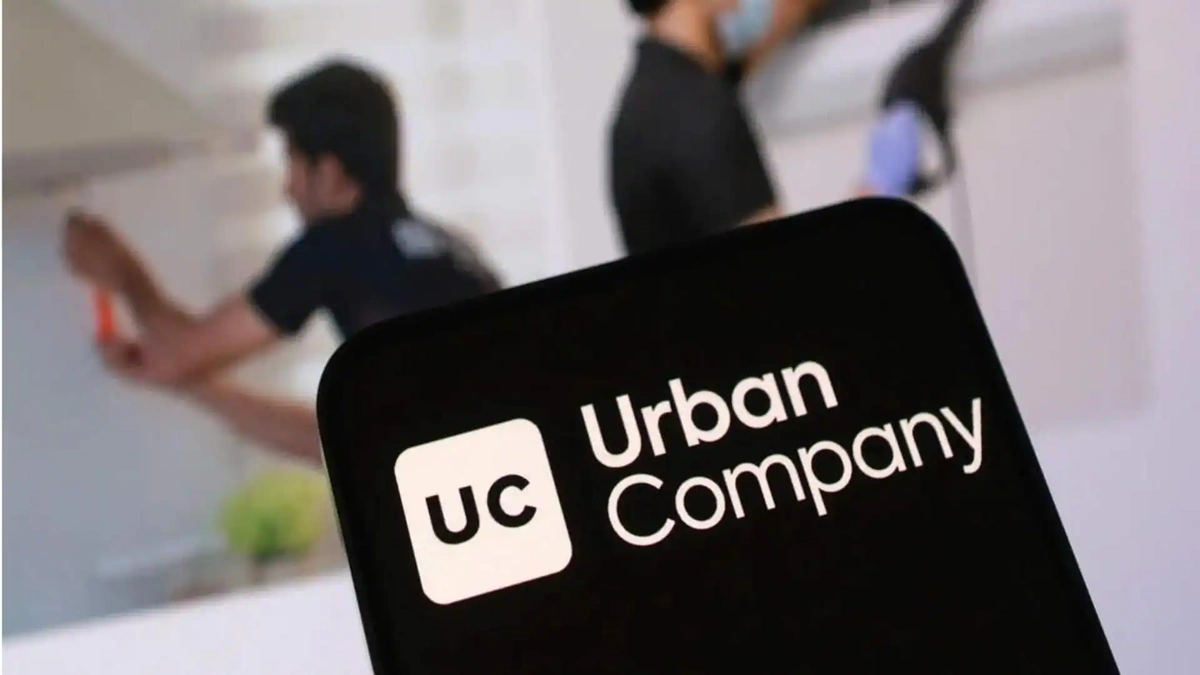
This is where it gets interesting. Urban Company launched this ‘instant service,’ promising quicker response times and faster service delivery. Sounds great, right? Who wouldn’t want their AC repair guy showing up in, like, minutes? The catch? Providing that level of immediacy comes at a hefty cost. To understand this, let’s consider the unit economics of such a model. It needs more professionals on standby, potentially higher pay to incentivize that immediate availability, and more logistical juggling to ensure seamless service. All of that adds up.
And, here’s where my analyst hat comes on: this isn’t just about Urban Company. It’s a reflection of a broader trend. We, as consumers, are increasingly demanding instant gratification. But are we truly willing to pay the premium for it? Or is there a breaking point where convenience becomes too expensive? This is a question that many startups offering on-demand services are grappling with. This also has a direct impact on valuation of these companies. One of the key factors to observe here is the cash burn rate of such startups. The reason being, investors would want to see the growth happening in a sustainable way.
The Deeper Implications for the Gig Economy
But let’s dig a little deeper. The Urban Company model – like that of many gig economy platforms – relies heavily on its service professionals. If the company is struggling to maintain profitability while offering instant services, what does that mean for the earnings of these professionals? Are they bearing the brunt of the cost? Are incentives getting squeezed? These are crucial questions. A common mistake I see people make is to consider that lower profits are only a problem for the top management. In fact, it affects the professionals on the ground level as well.
And the thing is that the gig economy in India is a complex beast. It offers flexibility and earning opportunities for millions, but it also often lacks the stability and benefits of traditional employment. If companies are constantly pressured to offer faster services at lower prices, it can create a race to the bottom, ultimately hurting the very people who make the platform work. So, this isn’t just a business story; it’s a human story, too. And the future of the gig economy is at stake. You can read more about similar business strategies at Financespiral .
The Road Ahead | Balancing Growth and Profitability
So, what’s the solution? How can Urban Company (and other similar platforms) navigate this tricky landscape? Well, it’s not a simple answer. It likely involves a combination of things:

- Pricing Strategy: Let’s be honest, are customers paying enough for ‘instant’ services? Maybe a tiered pricing model is needed, where standard service has a reasonable price, and ‘instant’ comes with a premium.
- Operational Efficiency: Can Urban Company streamline its logistics and operations to reduce costs without compromising service quality? AI-powered scheduling, perhaps?
- Professional Empowerment: Ensuring that service professionals are fairly compensated and have access to training and resources is key to long-term sustainability.
I initially thought this was straightforward, but then I realized that customer satisfaction is also an important metric to look out for. The market analysis also needs to be done in terms of what are the best services that attract customers. What fascinates me is how these companies are always tweaking their services to try and optimize the business model.
Ultimately, the key will be finding a balance between growth and profitability. Chasing rapid expansion at all costs is a recipe for disaster. Sustainable growth requires a solid foundation, happy professionals, and satisfied customers. You can also find more about ex-dividend related news on here .
Innovation and Adaptation | The Key to Survival
But the most important thing is to be innovative. In the tech industry, innovation and adaptation are important parameters for success. If we look back at the history of business, companies that refused to innovate and adapt were swept away by the wind. Hence, Urban Company needs to keep trying new things. But the key here is to keep a close eye on profitability and not lose focus of that.
FAQ Section
Frequently Asked Questions
What exactly is Urban Company’s ‘instant service’?
It’s a premium service promising faster response and service delivery times for select services.
Why are Urban Company’s losses deepening?
The increased costs associated with providing the ‘instant service’ are likely a major factor.
How does this affect Urban Company’s service professionals?
Potentially, it could lead to squeezed earnings and increased pressure to deliver faster services.

What can Urban Company do to improve its profitability?
Optimize pricing, streamline operations, and invest in professional empowerment.
Is the demand for on-demand services sustainable?
Yes, but companies need to find a balance between convenience and cost.
Where can I read more about such analysis?
You can find more analysis at sites like Wikipedia and industry blogs.
Disclaimer: ऊपर दिए गए विचार और सिफारिशें व्यक्तिगत विश्लेषकों या ब्रोकिंग कंपनियों की हैं, न कि "Finance Ghar" की। हम निवेशकों को सलाह देते हैं कि किसी भी निवेश निर्णय लेने से पहले प्रमाणित विशेषज्ञों से परामर्श करें। निवेश में जोखिम होता है और सही जानकारी के बिना निर्णय लेना हानिकारक हो सकता है।