Alright, buckle up, because this isn’t just about numbers going up or down. It’s about why the US Fed Rate Cut sent a ripple through the Sensex and Nifty 50, and what that Trump-Xi meeting could really mean for your investments. Forget the headlines; let’s dive into the real story.
Why Did the Rate Cut Cause a Dip? It’s Not What You Think
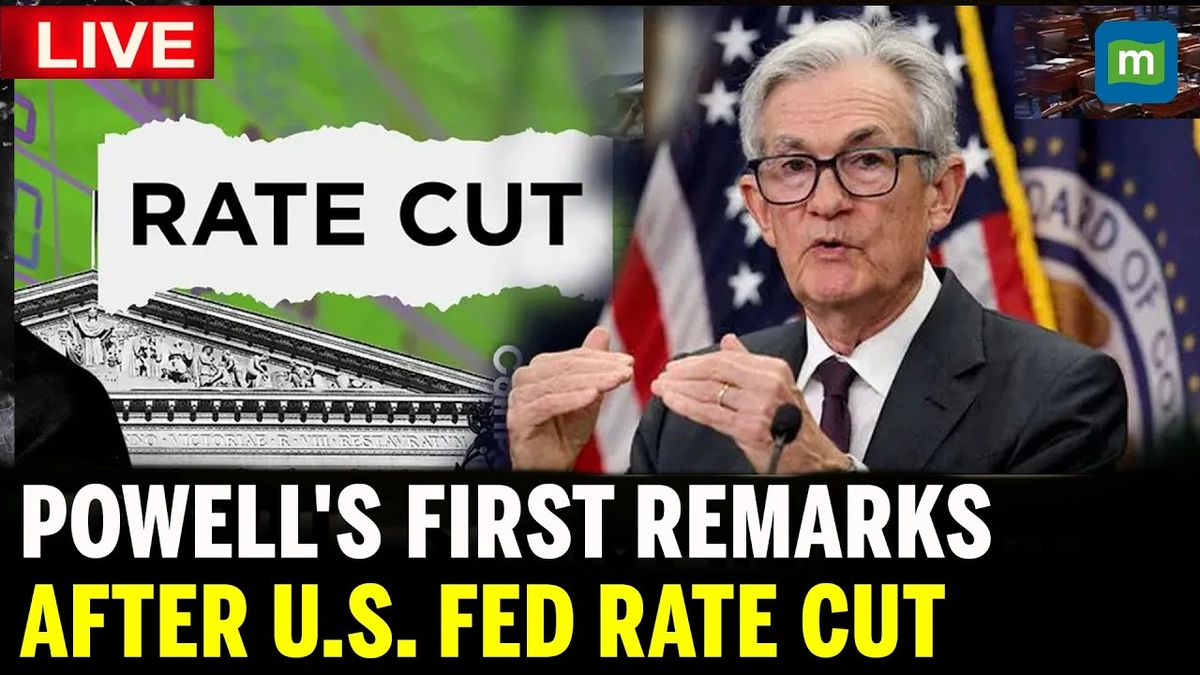
A rate cut is supposed to be good news, right? Cheaper borrowing, more investment, happy markets. But here’s the thing: the market’s reaction is often more complex than textbook economics. The dip we saw after the Fed Rate Cut suggests investors were already pricing in a more aggressive cut. Or, perhaps, they interpreted the cut as a sign of underlying economic weakness in the US. Let me rephrase that for clarity – it’s not always about the action itself, but the reason behind it. The market hates uncertainty, and a surprise move – even a positive one – can trigger a sell-off.
Think of it like this: you’re expecting a promotion, and your boss gives you a smaller raise instead. You’re still getting more money, but you might worry about the company’s future or your own standing. That’s the vibe here. Also, it’s important to note other factors at play. Was there profit-booking happening after a period of gains? Were there other global cues influencing investor sentiment? These things rarely happen in isolation.
Furthermore, the extent of the rate cut matters. A small, cautious cut might signal to the market that the Fed is only mildly concerned about economic conditions. A larger, more aggressive cut could indicate a more serious outlook. The market’s reaction is largely dependent on interpreting these signals.
Trump-Xi Meeting | More Than Just a Photo Op
And then there’s the wildcard: the anticipated meeting between Trump and Xi. This is where things get really interesting. This meeting is not just a meet-and-greet; it’s a high-stakes negotiation that could reshape global trade, impacting everything from import duties to technology transfers. What fascinates me is the unpredictable nature of these talks. One tweet can send markets soaring or plummeting. For Indian investors, this means keeping a close eye on any news emerging from this meeting. Any progress towards resolving trade tensions could boost global growth and, in turn, benefit Indian equities. Conversely, any signs of escalating conflict could trigger another round of market volatility.
The meeting’s potential impact extends beyond trade. Discussions on technology, intellectual property, and even geopolitical issues could have far-reaching consequences. It’s not just about tariffs; it’s about the future of global power dynamics. A common mistake I see people make is to underestimate the broader implications of these meetings.
RBI’s Balancing Act | Navigating Global Turbulence
So, where does India fit into all this? The Reserve Bank of India (RBI) is walking a tightrope. It needs to balance the need to support economic growth with the need to maintain financial stability. A US Federal Reserve rate cut puts pressure on the RBI to follow suit, to maintain competitive interest rates and prevent capital outflows. But the RBI also needs to consider domestic factors like inflation and the fiscal deficit. It’s a delicate balancing act, and the RBI’s response will be crucial in determining the direction of the Indian economy. The last thing we want is imported inflation.

Here’s the thing: the RBI’s decision-making process is incredibly complex. It involves analyzing a vast array of economic indicators, forecasting future trends, and weighing the potential impact of various policy options. It’s not an exact science, and there’s always a degree of uncertainty involved.
Decoding the Impact on Your Investments
Now, let’s get down to brass tacks: what does all this mean for you, the Indian investor? If you’re heavily invested in equities, especially those sensitive to global cues, expect continued volatility. A US economic slowdown , triggered by missteps by the Fed or escalating trade tensions, could negatively impact Indian exports and corporate earnings. However, a dovish stance by the RBI and a resolution of trade disputes could provide a boost to the market. Diversification is key. Don’t put all your eggs in one basket. Consider allocating your investments across different asset classes, such as equities, bonds, and gold, to mitigate risk. Also, it’s important to have a long-term perspective. Don’t get caught up in short-term market fluctuations. Focus on your long-term financial goals and invest accordingly.
The impact on specific sectors will vary. Export-oriented industries like IT and pharmaceuticals could be particularly vulnerable to a global economic slowdown . On the other hand, sectors that are more domestically focused, such as consumer staples and infrastructure, may be more resilient. Nifty 50 performance will be key.
Also, remember to stay informed. Keep abreast of the latest economic developments and policy announcements. But don’t rely solely on headlines. Dig deeper and understand the underlying trends and implications. Knowledge is power, especially when it comes to investing. As seen in the article US Fed Rate Cut RBI , the ripple effect of global events can be complex.
Navigating the Uncertainty | A Practical Guide
So, how can you navigate this uncertainty? Here’s a step-by-step approach:
- Review Your Portfolio: Assess your current holdings and identify any potential risks.
- Rebalance as Needed: Adjust your asset allocation to maintain your desired risk profile.
- Stay Informed: Follow reputable financial news sources and avoid making impulsive decisions based on rumors.
- Consider Professional Advice: If you’re unsure how to proceed, consult with a financial advisor.
And most importantly, don’t panic. Market volatility is a normal part of investing. Stay calm, stay focused, and stick to your long-term plan. Check the article groww ipo 2 to compare the impact of market shifts.
FAQ Section
Frequently Asked Questions
Will there be more rate cuts by the Fed in 2025?
It’s tough to say definitively. It depends on how the US economy performs and how inflation trends. Keep an eye on the Federal Reserve’s announcements.

How will the Trump-Xi meeting affect the Indian stock market?
Positive news from the meeting could boost the market, while negative news could trigger a sell-off. Expect volatility.
Should I sell my stocks now?
That depends on your individual circumstances and risk tolerance. Consult with a financial advisor before making any major investment decisions.
What are some safe investment options during this period of uncertainty?
Consider diversifying your portfolio with assets like bonds, gold, and cash. These tend to be less volatile than stocks.
What if the Indian Rupee weakens further?
A weaker Rupee could benefit exporters but could also lead to higher import costs and inflation. The RBI will likely intervene to manage the currency’s fluctuations.
How does the US Fed rate cut impact the Indian bond market?
Typically, it can lead to lower yields in the Indian bond market, making it attractive for investors. However, other factors like domestic inflation and government borrowing can also play a role.
In conclusion, the US Fed Meeting and the anticipated Trump-Xi meeting are significant events that could have a profound impact on the Indian economy and financial markets. Stay informed, stay diversified, and stay patient. It’s not just about the news; it’s about understanding the why behind it all. Only then can you make informed decisions and protect your investments.
Disclaimer: ऊपर दिए गए विचार और सिफारिशें व्यक्तिगत विश्लेषकों या ब्रोकिंग कंपनियों की हैं, न कि "Finance Ghar" की। हम निवेशकों को सलाह देते हैं कि किसी भी निवेश निर्णय लेने से पहले प्रमाणित विशेषज्ञों से परामर्श करें। निवेश में जोखिम होता है और सही जानकारी के बिना निर्णय लेना हानिकारक हो सकता है।